PLC SCADA Course MEP Abu Dhabi
Special Engineering

PLC SCADA Course MEP Abu Dhabi

Our PLC SCADA course is well-structured and designed to equip trainees with PLC and SCADA skills. Gain expertise in planning, programming, and troubleshooting automated systems in industries. Become confident in facing real-world challenges with our hands-on training sessions. Join our PLC SCADA training today to launch a successful career in industrial automation.

4.9+ Reviews
Content goes here

Overview of PLC SCADA Course Offerings

PLC and SCADA course covers all concepts to help candidates master their skills in industrial automation and control. The course’s curriculum will teach you to handle PLCs, industrial computers that control machines, and SCADA, software that controls PLCs remotely. Through practical training provided in the course, participants learn how to develop, manage, and troubleshoot automatic processes.
With skills gained in both PLC and SCADA, electrical, electronics, and instrumentation engineers can build a career in industrial automation. The programs offer training in important topics like Control Logic, Ladder Logic, function blocks, and industrial communication protocols essential for tracking industrial processes better and making them more productive.
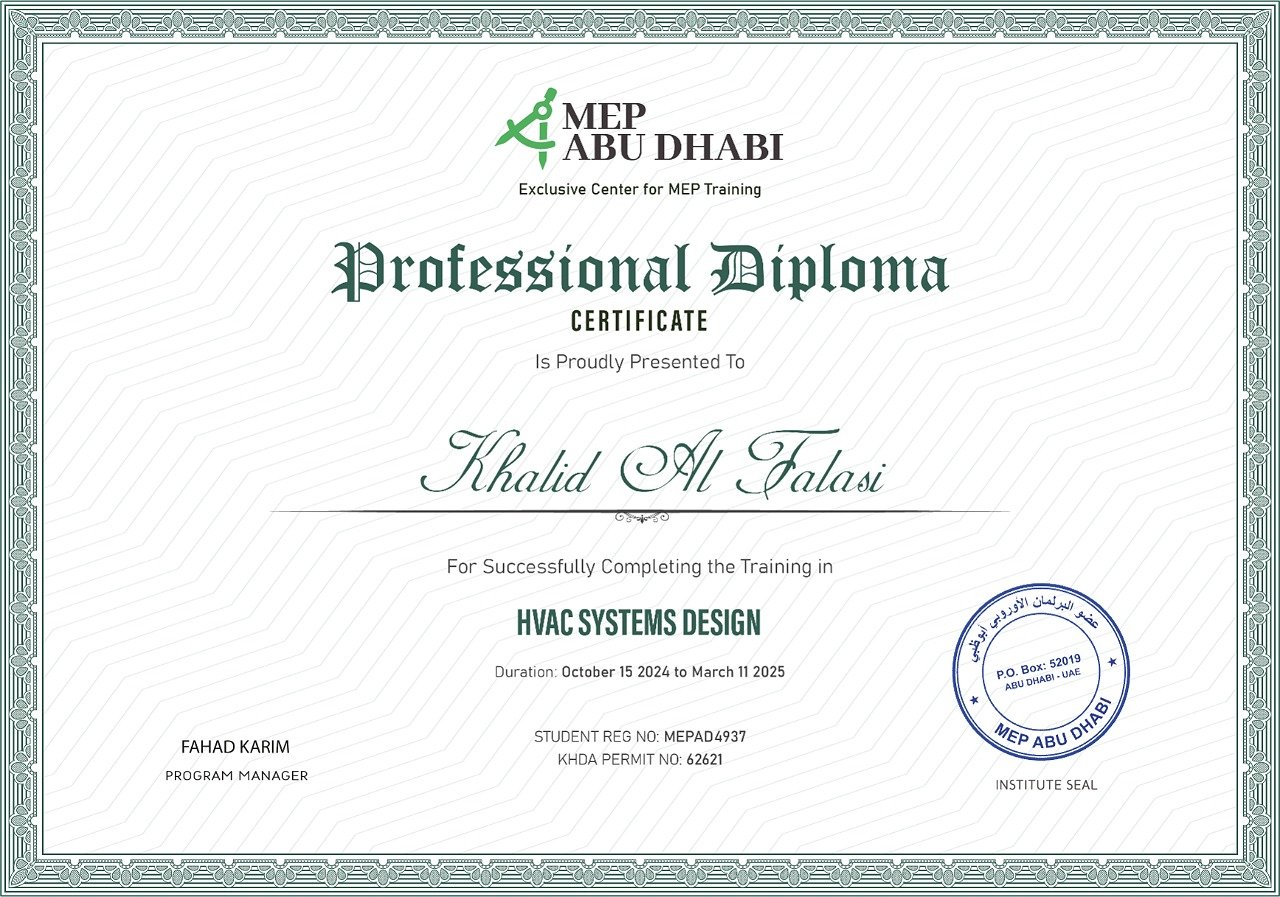

Quantity Surveying Course Syllabus

Quantity surveying course syllabus includes the following:

Have an overview of the basics of industrial automation, PLC, and SCADA.
Know about PLC, its roles, applications, working principle, and architecture.
Understand the basics of SCADA, its architecture, and components. Learn about its role in industrial automation.
Have an overview of HMI, sensors, actuators, industrial communication, and networking.
Study the basics of industrial control concepts and the working principle of PLC.

Have an overview of PLC programming languages, including Ladder Logic, Structured Text, and Function Block Diagram.
Study the steps, sequences, and transitions of Sequential Function Chart. Know the basic concepts of Instruction List.
Learn about Boolean operations in PLC programming, comparators, mathematical functions, timers, and counters.
Understand data types and variables. Find out how to create, test, and troubleshoot PLC programs.
Practical training in PLC programming

Learn about arithmetic instructions such as ADD, SUB, MUL, and DIV, and comparison instructions like Equal, Not Equal, Greater Than, and Less Than.
Become familiar with Boolean logic, including AND, OR, NOT, and XOR. Have an overview of bitwise logical operations.
Find out how to use arithmetic instructions with timers, counters, and registers. Know how to combine arithmetic and logical instructions in PLC programs.
Understand Move and data transfer instructions. Understand masking and bit manipulations.
Hands-on training with practical exercises

Become familiar with PLC inputs, outputs, coils, and contacts. Study Normally Open and Normally Closed contacts
Understand Ladder diagram structure, parallel logic, series logic, and programming conventions. Know the basics of analog signal processing.
Discover up, down, and up/down counters. Know TON, TOF, and retentive timers. Know alarm and fault-handling logic.
Learn about arithmetic instructions, memory instructions, data movement, interlocking, and sequencing techniques in Ladder Logic.
Practical exercises in Ladder program testing, monitoring, and troubleshooting.

Have an overview of HMI architecture, components, hardware, software, and communication.
Find out how to create and configure HMI projects, and how to design screens, graphics, and navigation.
Understand the features of push buttons, switches, indicators, display objects, tags, variables, and trends.
Become familiar with alarm configuration, management, numeric displays, user access levels, security, and data visualization.
Practical sessions in HMI testing, simulation, and troubleshooting

Have an overview of SCADA architecture, components, and its working principles. Know its hardware and software requirements.
Understand communication protocols, interfaces, tag creation, data management, monitoring and control of processes, and configuration.
Study SCADA screen and graphic development, alarm management, trends, graphs, and historical data logging
Find out how to visualize reports and data. Learn about user management, access control, data acquisition, and supervisory control.
Discover PLC-SCADA communication and integration. Find out how to maintain SCADA.

Have an overview of SCADA communication systems, communication networks, and SCADA servers.
Understand Ethernet-based industrial communication, communication between SCADA, PLC, RTU, and HMI, and serial communication, like RS-232 and RS-422.
Become familiar with tag addressing, data exchange, data acquisition, communication drivers, update rates, polling, and configuration.
Know communication errors and find out how to diagnose and troubleshoot them. Study the basics of SCADA communication security.
Practical training in PLC-SCADA communication with real exercises.

Have an overview of SCADA screen layout and navigation. Find out how to create process mimic diagrams.
Understand graphic objects, symbols, animations, color coding, indicators, switches, control objects, and push buttons.
Find out how to create overview, detail, and control screens. Learn data logging, historical displays, PLC tag integration, and data addressing.
Learn about user-friendly navigation, screen organization, user access levels, and control permissions. Study motor, pump, valve, and equipment status displays.
Practical training in SCADA screen development.

The Importance of PLC SCADA Certification Course

PLC and SCADA training are important for industrial automation and control systems. More and more industries are shifting towards automated processes. So, demand for professionals who have completed a SCADA course is high. The certification displays their practical skills and theoretical knowledge and shows that they are job-ready. This lays a good foundation for career growth.


Why Learn a PLC SCADA Program?

You should learn a PLC SCADA program becaus

  • You can build automation skills, develop practical skills in programming automated systems, and understand industrial communication.
  • The demand for PLC and SCADA professionals is high globally.
  • Your career opportunities will improve.
  • The special knowledge you gain will give you an edge over others in the competitive job market.

Industry Demand for Skilled PLC SCADA Professionals in Abu Dhabi

The energy, oil & gas, construction, infrastructure, and utility industries in Abu Dhabi are rapidly shifting towards automation and digital control. PLC and SCADA systems play a significant role in real-time control, centralized visualization, and remote management. So, professionals with knowledge of HMI, Ladder Logic, monitoring and troubleshooting equipment, and improving operational efficiency are in great demand.

SCADA Training Outcome

After completing PLC and SCADA certification courses, the learners will gain expertise in developing SCADA screens, creating tags, integrating SCADA systems, and monitoring automated industrial processes and equipment. With their practical knowledge in identifying and troubleshooting industrial systems, they can solve real-world challenges with ease and confidence. They can launch their career successfully in industrial automation and control.


Why Choose MEP Abu Dhabi for PLC SCADA Classes in Abu Dhabi?

MEP Abu Dhabi is a popular name for providing short-term technical courses to help professionals who want to upgrade their skills and freshers who want to get practical training. You should join it for a PLC programming course UAE because of:

  • The comprehensive syllabus, including practical training
  • Trainers with experience and updated knowledge
  • Flexible class schedules
  • Career support
  • Globally recognized certificate

Faq

PLC and SCADA course covers all concepts to help candidates master their skills in PLC programming, SCADA, industrial automation, and control.

The most commonly used software tools are PLC programming software, HMI, SCADA, and communication software.

The career opportunities after PLC and SCADA training include PLC Programmer, HMI Engineer, SCADA Engineer, Automation Engineer, System Integrator, HMI Programmer, and Project Engineer.

Yes, freshers can join PLC automation training courses because the course curriculum starts from fundamentals. Moreover, it provides the hands-on training they need.

The course is ideal for engineering professionals who want to upgrade their knowledge in monitoring industrial automation, as well as fresh engineering graduates and students.

The topics covered in the training include HMI, Ladder Logic, monitoring and troubleshooting equipment, developing SCADA screens, creating tags, and integrating SCADA systems.

The duration varies depending on the course curriculum and institute. However, the average duration is 3 to 6 weeks. It may be an online PLC SCADA course, classroom, hybrid, weekend, or weekday course.

Book Your Seat Now!

Our New Batch Starts On Every Week In a Month

Ratings & Reviews

4.9

Rated 4.9 out of 198 Ratings

5 star
85%
4 star
10%
3 star
3%
2 star
1%
1 star
1%

Featured review

Rizwan

Rizwan

Electrical Technician

I am an electrical engineering professional. The trainers explained all concepts very clearly. I was able to understand all the concepts. Highly recommended.

Diya

Diya

IT Technician

The training was excellent. I loved everything about it, especially the practical training, which gave me lots of confidence in Ladder Logic and PLC programming.

Munavar

Munavar

Student

I am a fresh engineering student. I wanted to launch my career in industrial automation. This course from MEP Abu Dhabi helped me attain my dreams.

This course includes:

Lectures 40
Duration 6-8 Week
Skill Level Beginner
Language English
Certificate Yes

Popular Course
Fire Fighting Design
4.9 ★
Electrical Design
Electrical Design
4.8 ★
HVAC Design
HVAC Design
4.3 ★

Book Your Seat Now!

This is a paragraph that explains some important details related to the content. Add more information here to provide clarity.