ETABS Course (RCC)
Civil Structural

ETABS Course (RCC)

Gain expertise in modeling, analyzing, and designing reinforced concrete structures with ETABS training from MEP Abu Dhabi. With practical skills attained from ETABS classes, design complex multi-storeyed RCC buildings with more safety, stability, and efficiency. Take your structural engineering career to the next level with this advanced structural design training.

4.9+ Reviews

Overview of ETABS Course

The course provides civil and structural engineers with skills in RCC structural design using ETABS. It covers all topics, starting from structural load analysis basics to advanced design of complex RCC elements. It combines theoretical and practical training with real examples and exercises. The training focuses on making learners industry-ready.

ETABS Training Syllabus

The ETABS program includes the following topics:

Have an overview of the software, its interface, menus, toolbars, and workspace.
Learn the basics of building components, structural elements, and modeling concepts.
Become familiar with grids, story levels, and coordinate systems. Understand the workflow of ETABS for designing and modeling.
Study the building codes and design standards to be complied with.
Understand the fundamentals of project setup.

Know the different types of loads, including dead load, live load, wind load, and seismic load.
Understand what load patterns are and how to assign loads to structural elements. Study the application of floor loads, wall loads, and other loads.
Find out how to perform linear static structural analysis. Learn how to analyze load distribution and structural behavior.
Learn about spectrum analysis for earthquake-resistant design. Study how to interpret various analysis reports and review analysis warnings.
Practical training in load application and analysis.

Understand the types of lateral systems such as shear walls, braced frames, and moment-resisting frames. Find out how to model RCC structural frames.
Learn about columns, beams, slabs, and load transfer mechanisms. Know the behavior of structures under gravity, wind, and seismic loads.
Learn how to assign diaphragm constraints and evaluate story drift, lateral displacement, and overall structural performance.
Understand torsional effects in multi-storey buildings, dual structural systems, and stiffness distribution. Study how to assess the performance of vertical and lateral structural systems.
Practical sessions.

Understand structural properties, material properties, and section properties. Study how to assign supports, restraints, and diaphragm constraints.
Learn how to apply load cases and perform linear static analysis of RCC structures.
Study modal analysis, combinations for structural analysis, and natural periods of vibration. Know how to evaluate bending moments, shear forces, and axial forces.
Find out how to assess story displacement, review analysis, and identify structural irregularities.
Hands-on training in structural analysis.

Find out how to design RCC beams and columns. Understand beam-column interaction and reinforcement requirements.
Learn how to check shear capacity, flexural strength, and axial load capacity. Study reinforcement detailing requirements.
Understand the application of seismic detailing principles for RCC structures.
Know the design and detailing considerations for RCC slabs and shear walls. Discover how to review ETABS design results.
Practical exercises.

Study the modeling of structural elements using beams, columns, walls, and slabs.
Find out how to model staircases, openings, and other building components, assign relevant loads, and set up story levels and grids.
Know how to check model connectivity and load paths, and run model checks.
Learn how to fix common modeling errors and assign structural constraints.
Hands-on sessions in preparing an ETABS model.

Understand how to calculate concrete quantities for columns, footings, slabs, and beams. Learn how to estimate reinforcement steel quantities using Bar Bending Schedules.
Study how to calculate formwork for structural elements and prepare quantity takeoffs from structural drawings.
Become familiar with steel weight calculations, cutting lengths, and reinforcement details. Learn how to prepare item-wise BOQ sheets and BOQ reports.
Learn about standard estimation practices, measurement units, and material specifications.
Practical training in preparing BOQ with real examples.

Understand the relevant ductile detailing codes for seismic design and design requirements for special frames.
Study ductile detailing of columns, RCC beams, stirrup spacing, confinement reinforcement, and reinforcement continuity.
Know the detailing of shear walls, boundary elements, and lap splice requirements.
Find out how to review reinforcement drawings for compliance with seismic codes.
Understand ductile detailing checks and reinforcement design outputs.


ETABS Training Course Outcome

Key Skills Gained

After completing the ETABS software course, you will gain key skills in

  • RCC modeling
  • Load analysis and application
  • Duct detailing
  • Structural analysis
  • BOQ preparation

Software Proficiency

Become proficient in using ETABS for RCC modeling, design, and analysis.

Career Advancements

The ETABS training course will help civil and structural engineers to take their career to the next level.

Career Opportunities After Successful ETABS Training Classes

After completing the ETABS certification course, you can pursue several opportunities such as structural design engineer, civil design engineer, structural modeler, site engineer, and construction project engineer. The industries hiring ETABS professionals include construction companies, the infrastructure industry, real estate developers, engineering consultancies, the public sector, and government projects.

Who Can Attend the ETABS Certification Course?

The course is suitable for structural engineers, design engineers, design consultants, and civil engineers who want to upgrade their knowledge in RCC design and modeling using ETABS. ETABS course is also for civil engineering and structural engineering students and fresh graduates who are interested in gaining practical skills and entering structural engineering industry.


Why Join MEP Abu Dhabi for an ETABS & SAFE Course in Abu Dhabi?

MEP Abu Dhabi is a popular institute known for its short-term technical courses. You should join it for the ETABS training course because of:

  • The comprehensive course, which includes theoretical and practical training, focusing on hands-on sessions
  • Flexible schedules, including the ETABS online course, to suit working professionals and students.
  • Experienced trainers with updated knowledge
  • Placement support and career guidance
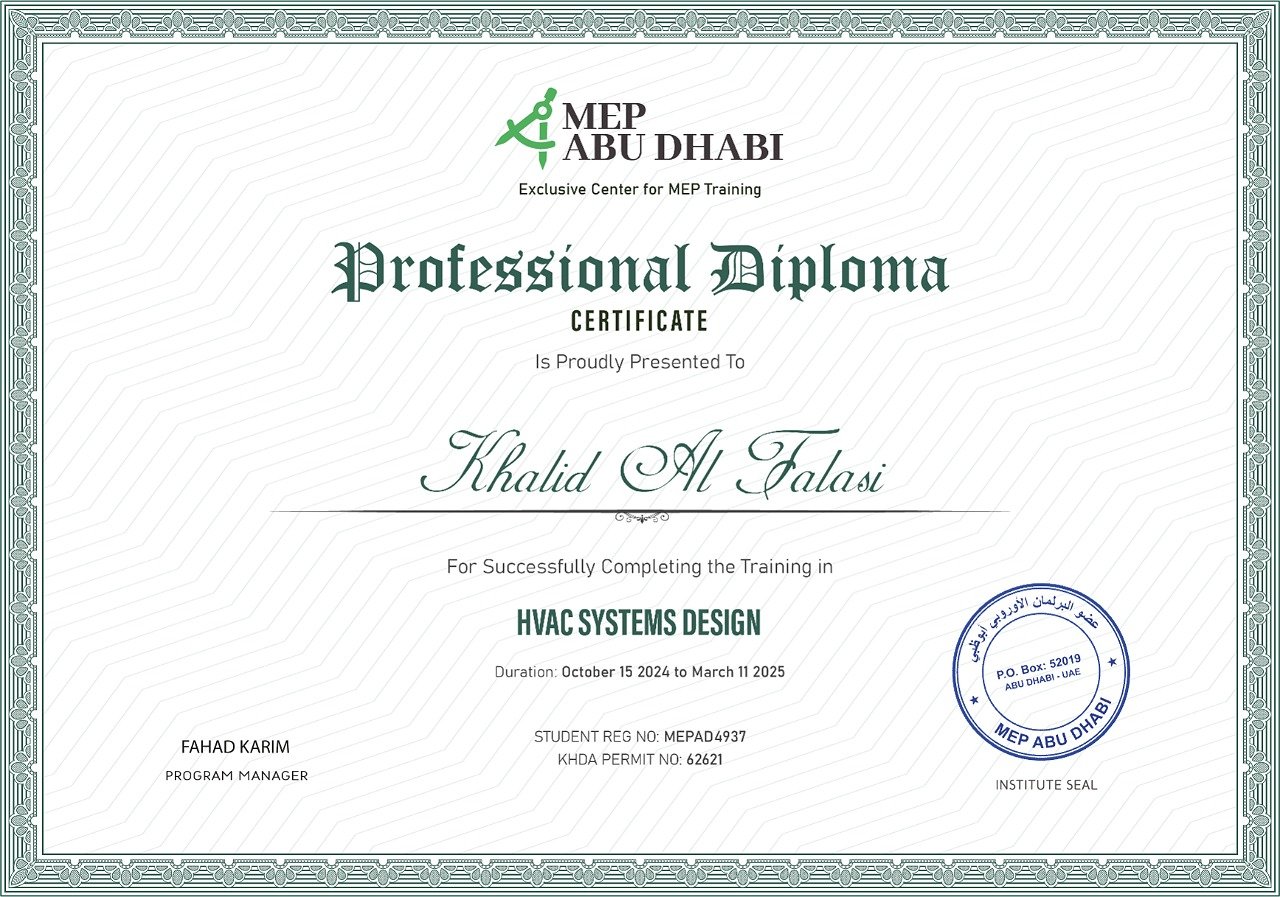
  • Globally recognized certificate to prove the skills gained

Build stronger RCC structures and a bright future with the ETABS courses. Fill out the details in the online application form and submit it. If you have any doubts, contact the support team 24x7.

Why do People Choose MEP Abu Dhabi?

People choose MEP Abu Dhabi because they focus on providing practical skills and making learners industry-ready at an affordable fee structure. The certificate provided after completing the ETABS full course gives an edge over others in the competitive job market. The participants are assured of career advancement when they complete a course in MEP Abu Dhabi.

Faq

You will learn load application, structural modeling, structural analysis, RCC design, BOQ preparation, ductile detailing, and foundation and slab design using ETABS and SAFE software.

Yes, beginners can join the ETABS & SAFE classes without prior experience. The curriculum starts with the fundamentals and gradually progresses to advanced concepts in structural modeling, analysis, and design.

The course provides practical training in load calculation, structural modeling, structural analysis, RCC design, BOQ preparation, and ductile detailing using real-world industry examples and practical exercises.

ETABS is used for modeling and analyzing building structures, particularly multi-storey buildings, while SAFE is used for the analysis and design of floor systems, slabs, and foundations. Together, they support an integrated workflow for RCC structural design.

ETABS and SAFE help structural engineers analyze and design complex RCC structures, evaluate seismic performance, and design specialized slab and foundation systems in accordance with applicable design codes and standards.

ETABS and SAFE training can strengthen your technical knowledge and practical skills in structural modeling, analysis, and design. These skills can help you pursue career opportunities in structural engineering, building design, and construction consultancy.

Book Your Seat Now!

Our New Batch Starts On Every Week In a Month

Ratings & Reviews

4.9

Rated 4.9 out of 198 Ratings

5 star
85%
4 star
10%
3 star
3%
2 star
1%
1 star
1%

Featured review

Rizwan

Rizwan

Civil Engineer

I am a fresh civil engineering graduate interested in launching my career in the structural engineering industry. The course gave me the practical skills and confidence to attain my dreams.

Diya

Diya

IT Technician

I have been working as a structural engineer in a construction company for more than five years. I enrolled in this course because I wanted to learn about using ETABS for my profession. This course provided me with what I was looking for.

Munavar

Munavar

Student

This course from MEP Abu Dhabi is an amazing course with experienced trainers and practical, hands-on training.

This course includes:

Lectures 40
Duration 6-8 Week
Skill Level Beginner
Language English
Certificate Yes

Popular Course
Fire Fighting Design
4.9 ★
Electrical Design
Electrical Design
4.8 ★
HVAC Design
HVAC Design
4.3 ★

Book Your Seat Now!

This is a paragraph that explains some important details related to the content. Add more information here to provide clarity.